FREDERICK UNIVERSITY

Robotics and Automated Systems Lab (RAS Lab)

Conducting Research and Development in Cutting Edge Robotic Applications
Specializing on a number of sub-fields of intelligent robotics, mostly mobile systems and marine robotics systems. 

RAS Lab


The field of robotics has been undergoing a major change from manufacturing applications to entertainment, home, rehabilitation, search and rescue, and service applications. Robotics requires research in many areas that include hybrid systems, embedded systems, sensory fusion, distributed artificial intelligence, computer vision, machine learning, human-machine interaction, localization, planning, navigation, etc. This large field provides ample research problems that we seek solutions to.

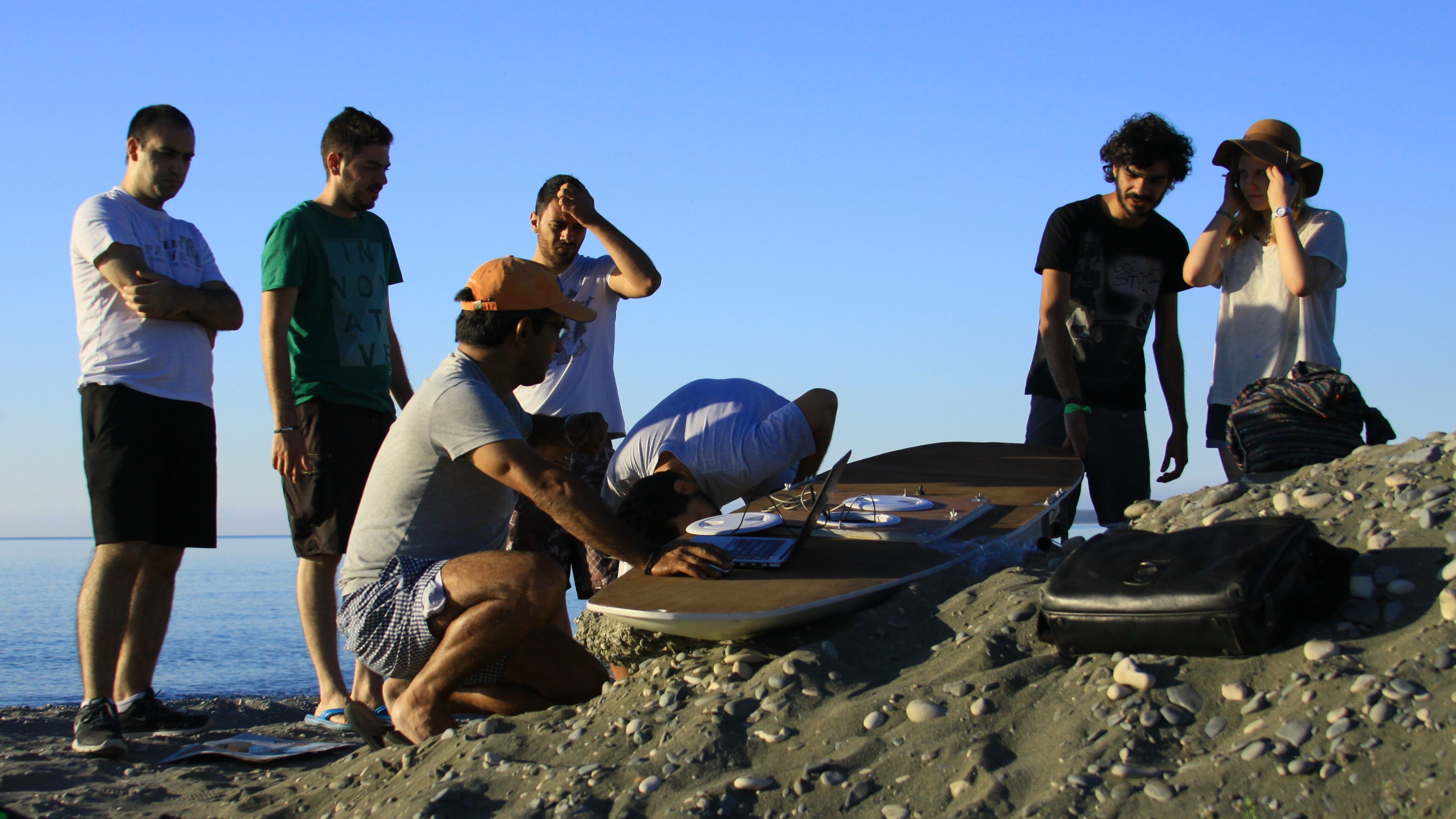
The Robotics and Automated Systems Lab (RAS Lab) of Frederick University carries out research on a number of sub-fields of intelligent robotics, mostly mobile systems and marine robotics systems.

RAS research concentrates on industry and funding organizations projects. It provides students and researchers with an opportunity to work on cutting edge robotic technologies and in the development of new robotics applications for various fields, including military, social, service, environment, archeology and industrial. 
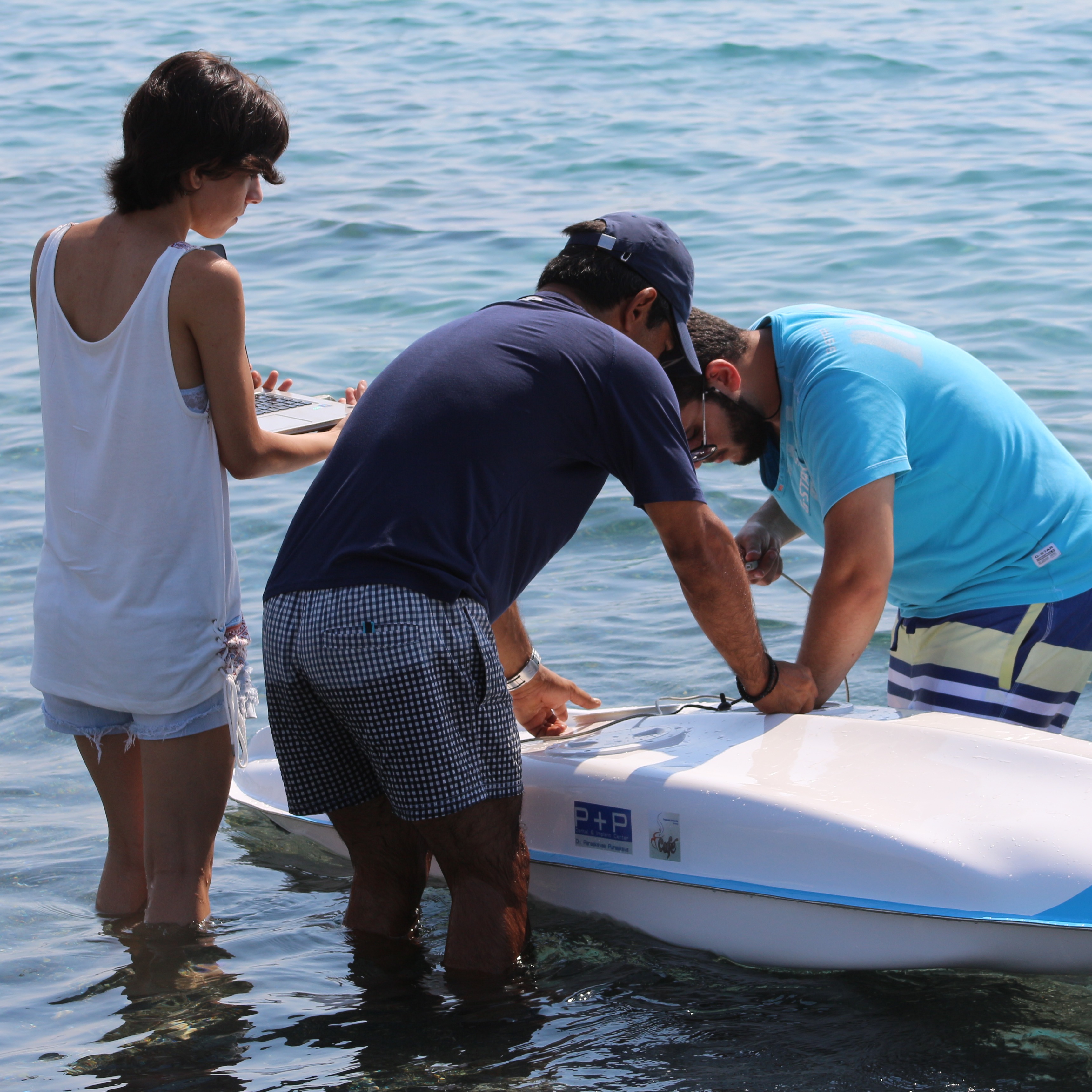
RAS Lab specialized areas

Robotic & Automated Systems

Design to operate autonomously or semi-autonomously in various environments, including marine (surface and underwater vehicles), terrestrial (land-based rovers), and others.

Controller design and development

Developing algorithms and systems that regulate a machine's behavior, movements, and interactions with its environment to achieve desired performance and functionality.

Perception

Acquiring, interpreting, and organizing sensory information to gather, understand and interact with the environment. This includes sensor integration, sensor deployment and sensor fusion for automated systems.

Navigation and path planning

Determining optimal routes and trajectories for vehicles or robots to move from one location to another while avoiding obstacles and meeting specific criteria.

Software Development / AI / Machine Learning

Creating, testing, and maintaining computer programs that enable machines or processes to operate with minimal human intervention, often incorporating advanced technologies like artificial intelligence and machine learning to enhance efficiency and decision-making capabilities.

Other custom applications/systems

Combine hardware and software to perform tasks with minimal human intervention, enhancing efficiency and precision across various industries including military, social, environmental, archeology, industrial, and other.

Current Research

Mobirise Website Builder
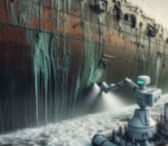
HUCCS: Hull Antifouling and Continuous Cleaning System

Using a transverse strip equipped with specialized brushes that travel longitudinally over the hull, our system maintains a clean surface, optimizing hydrodynamic performance. 

IRSAI
IRSAI

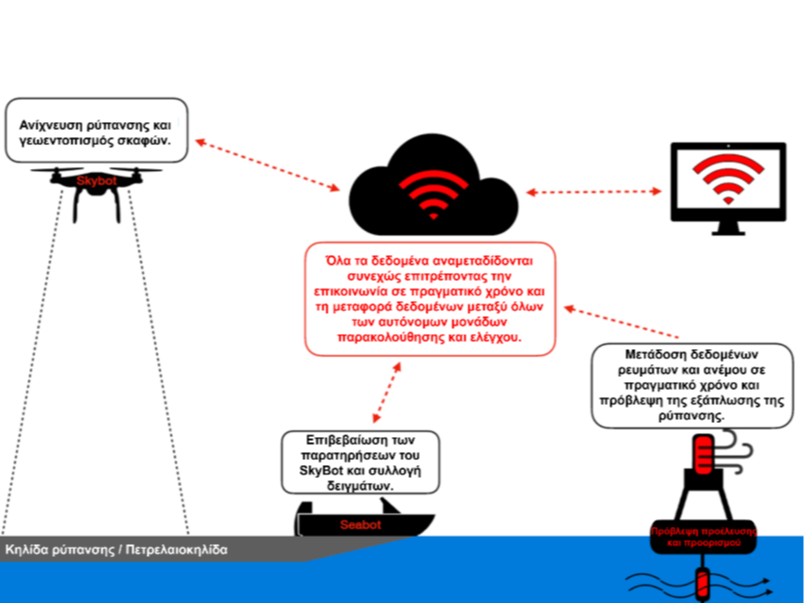
Remote Sensing and Artificial Intelligence to monitor maritime activities across Lemesos Bay
irsai.org

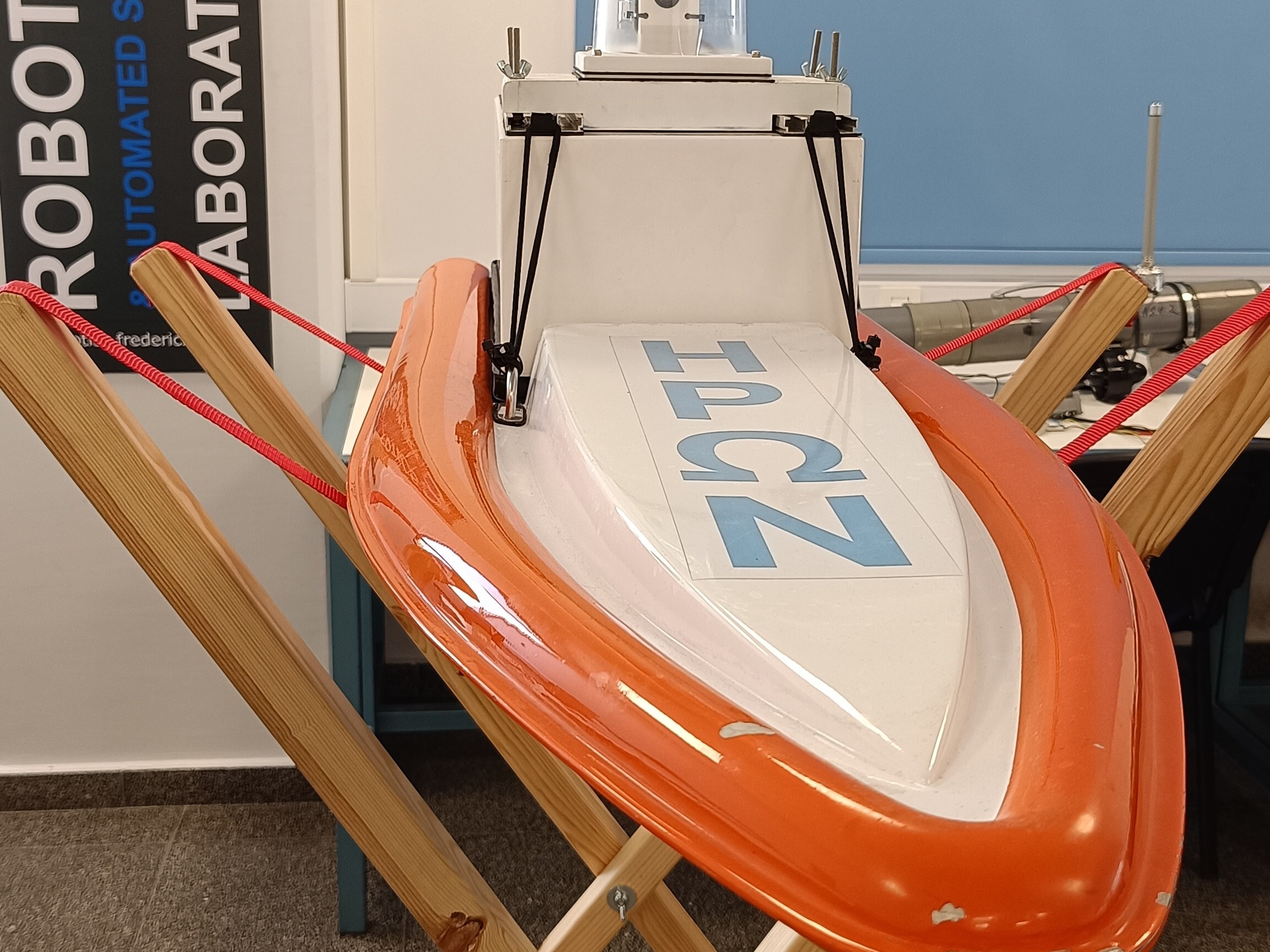
ΗΡΩΝ - ERON USVs

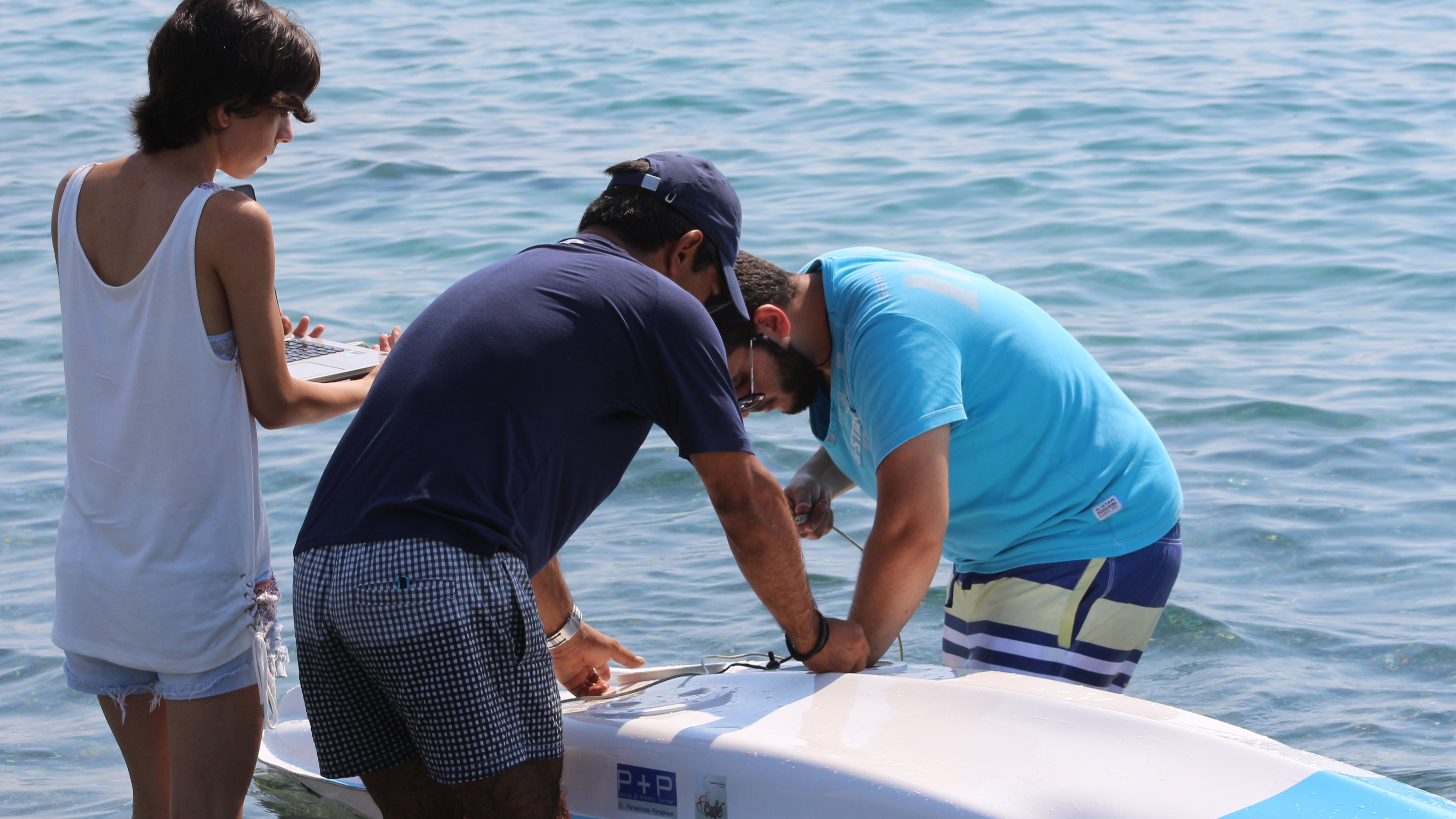
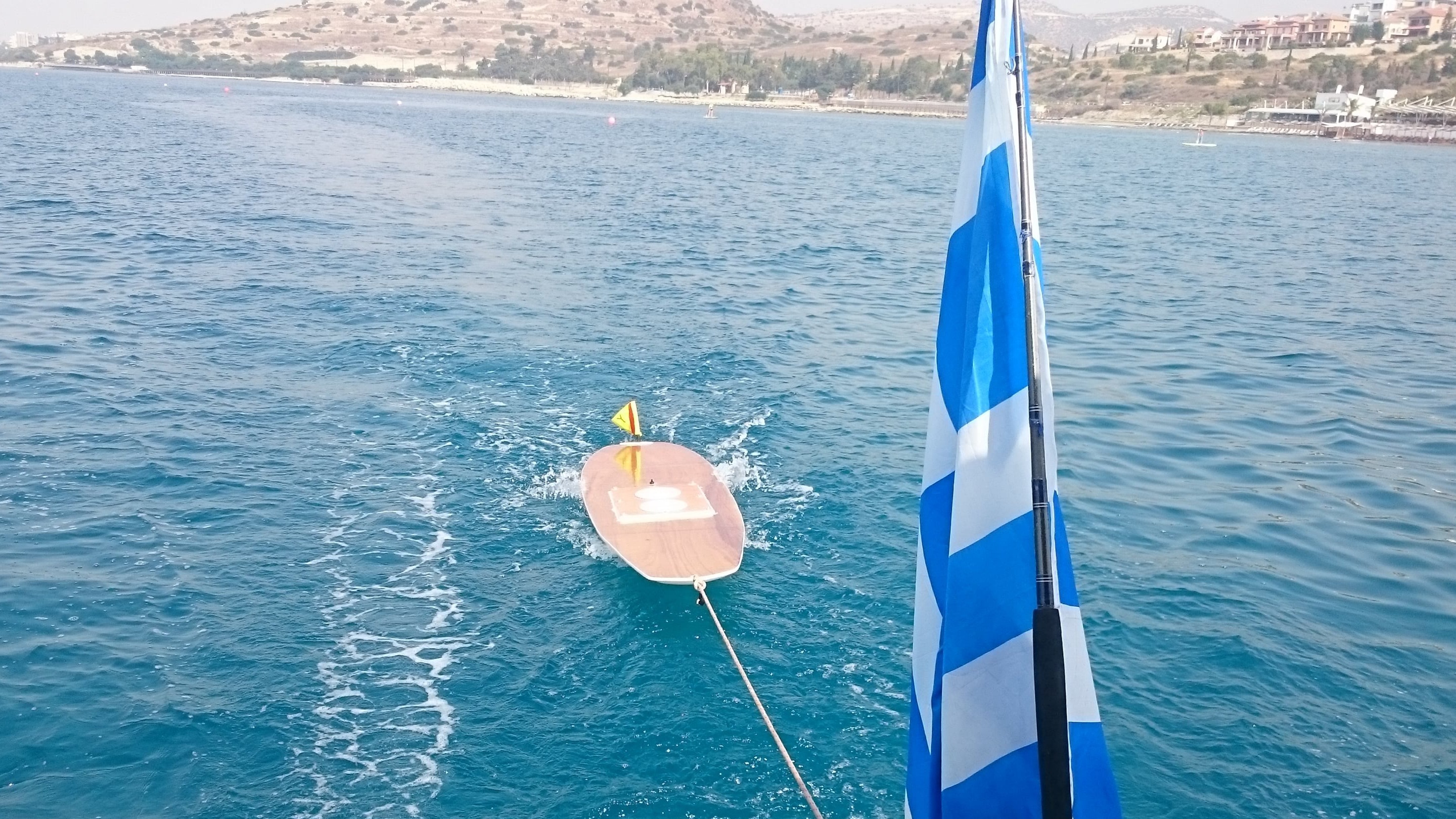
ERON (ΗΡΩΝ) Unmanned Surface Vehicles (USVs) are fully developed at RAS Lab.
Fully unmanned vehicles capable of following a path with accuracy of less than one meter.
More information available at the Lemesos Marine Robotics Center website of RAS Lab.

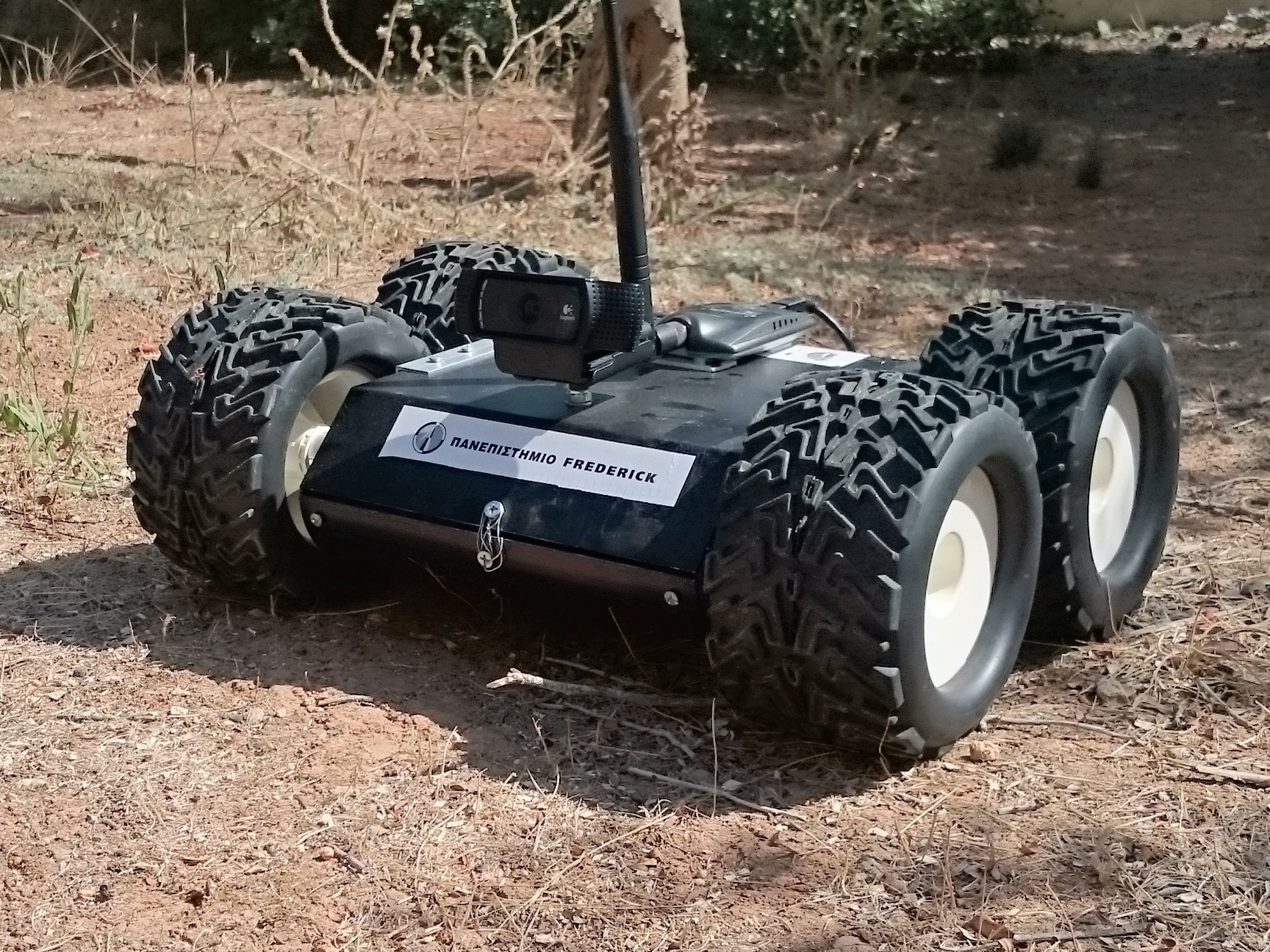
Unmanned Ground Vehicles (UGVs)

Several UGVs have been developed and are currently being developed/improved.
The UGVs are normally remotely  controlled and are capable of sending feedback back to the user from various onboard sensors depending on the application.

Mobirise Website Builder
Remotely Operated Vehicles (ROVs)

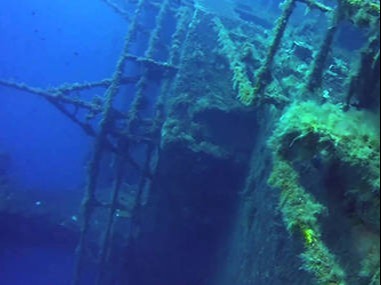
Several small custom made ROVs have been developed. The latest small inspection ROV is under development and in the initial testing phase.
More information available at the Marine Robotics Center website of RAS Lab

Mobirise Website Builder
Automated Monitoring & Phenotyping

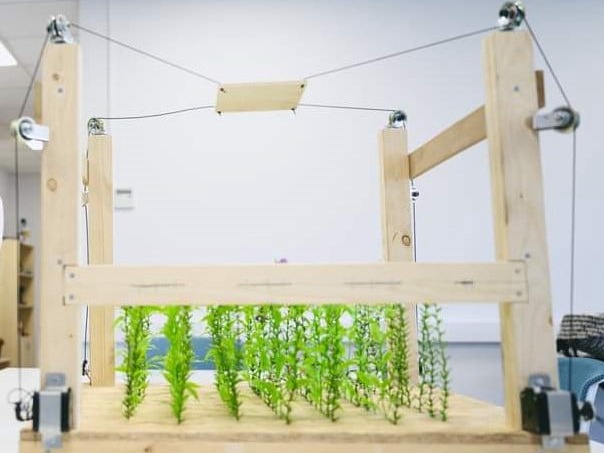
Uses advanced imaging and sensor technologies to efficiently collect and analyze plant trait data, enabling high-throughput assessment of crop growth, health, and performance. It utilizes a custom automated cable camera system. Still at the prototyping stage.

Recent Funded Projects

Mobirise Website Builder

HUCCS: Hull Antifouling and Continuous Cleaning System

As ships navigate through water, they inevitably gather marine growth such as seagrass and algae on their hulls, a phenomenon termed biofouling. This accumulation significantly increases drag on the hull surface, resulting in reduced fuel efficiency and higher emissions. To address this challenge, we suggest an innovative system designed to actively remove marine growth from the hull while the ship is in transit. Using a transverse strip equipped with specialized brushes that travel longitudinally over the hull, our system maintains a clean surface, optimizing hydrodynamic performance. This decreases fuel consumption which directly supports the initiative's goal of decarbonizing ship operations and mitigating the environmental impact of the shipping industry. Furthermore, our hull antifouling and continuous cleaning system (HACCS) offers a more environmentally friendly alternative to traditional hull cleaning methods, such as diver-assisted cleaning, abrasive materials, or harsh chemicals. These conventional methods can cause significant harm to marine ecosystems and introduce invasive species and contaminants into the water during cleaning. In contrast, our system employs brushes specifically designed to remove fouling in its early stages without compromising the hull's protective coatings or releasing harmful substances. By addressing fouling early and preventing excessive buildup, HACCS also reduces the risk of transporting invasive species between ports, demonstrating its dedication to preserving marine ecosystems.
Duration:  2025-2028
Funding Agency: Cyprus Research Promotion Foundation (BILATERAL/ISRAEL (MOST)/0224)
More info: -----
Mobirise Website Builder

IRSAI: Integrating Remote Sensing and Artificial Intelligence to monitor maritime activities across Lemesos Bay

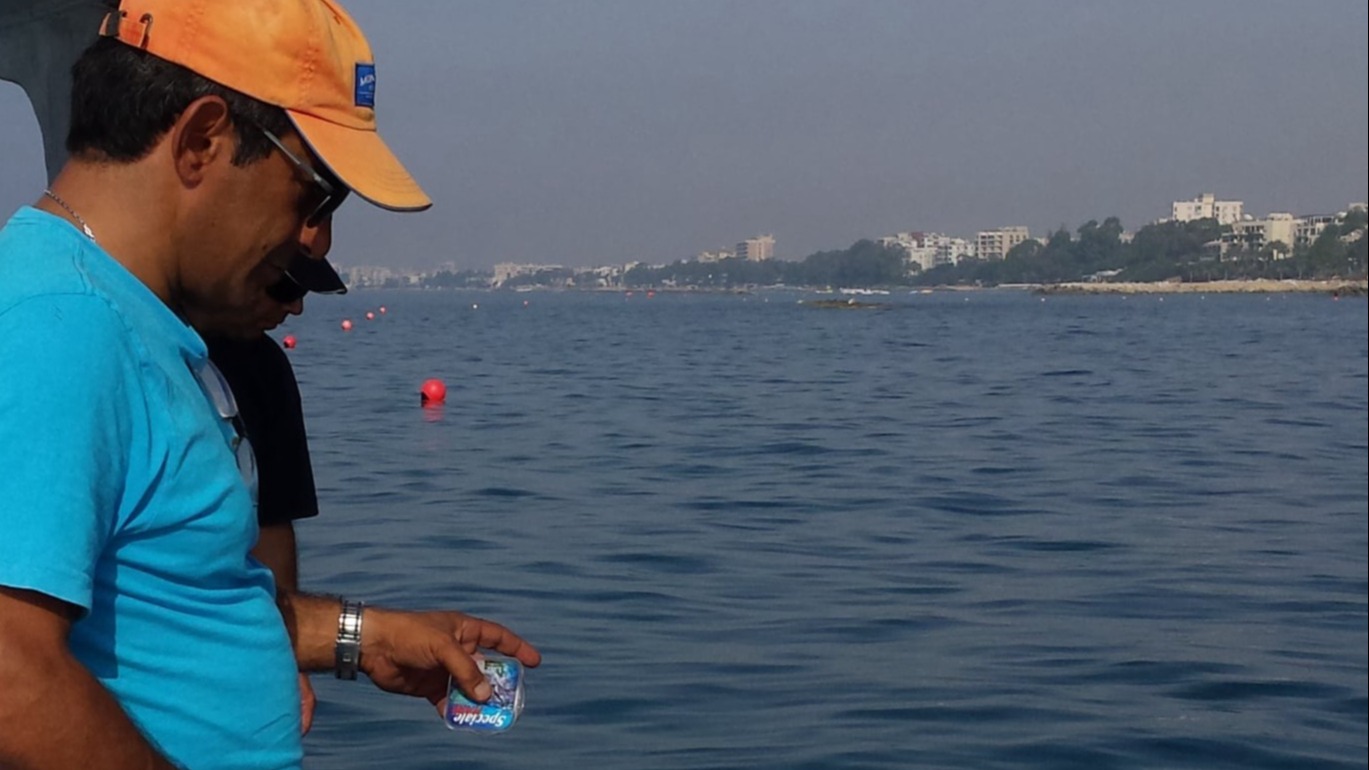
The objective of IRSAI is to enhance maritime surveillance capabilities in the coastal waters of Limassol by integrating multi-agent dual-use technology, both above the water's surface and underwater. Its primary aim is to significantly improve maritime surveillance, enabling effective patrolling of high-risk pollution-prone areas. This system will be dedicated to identifying instances of pollution violations, pinpointing their sources, gathering substantial evidence, predicting the trajectory of pollutants, and guiding timely and appropriate responses by management authorities.
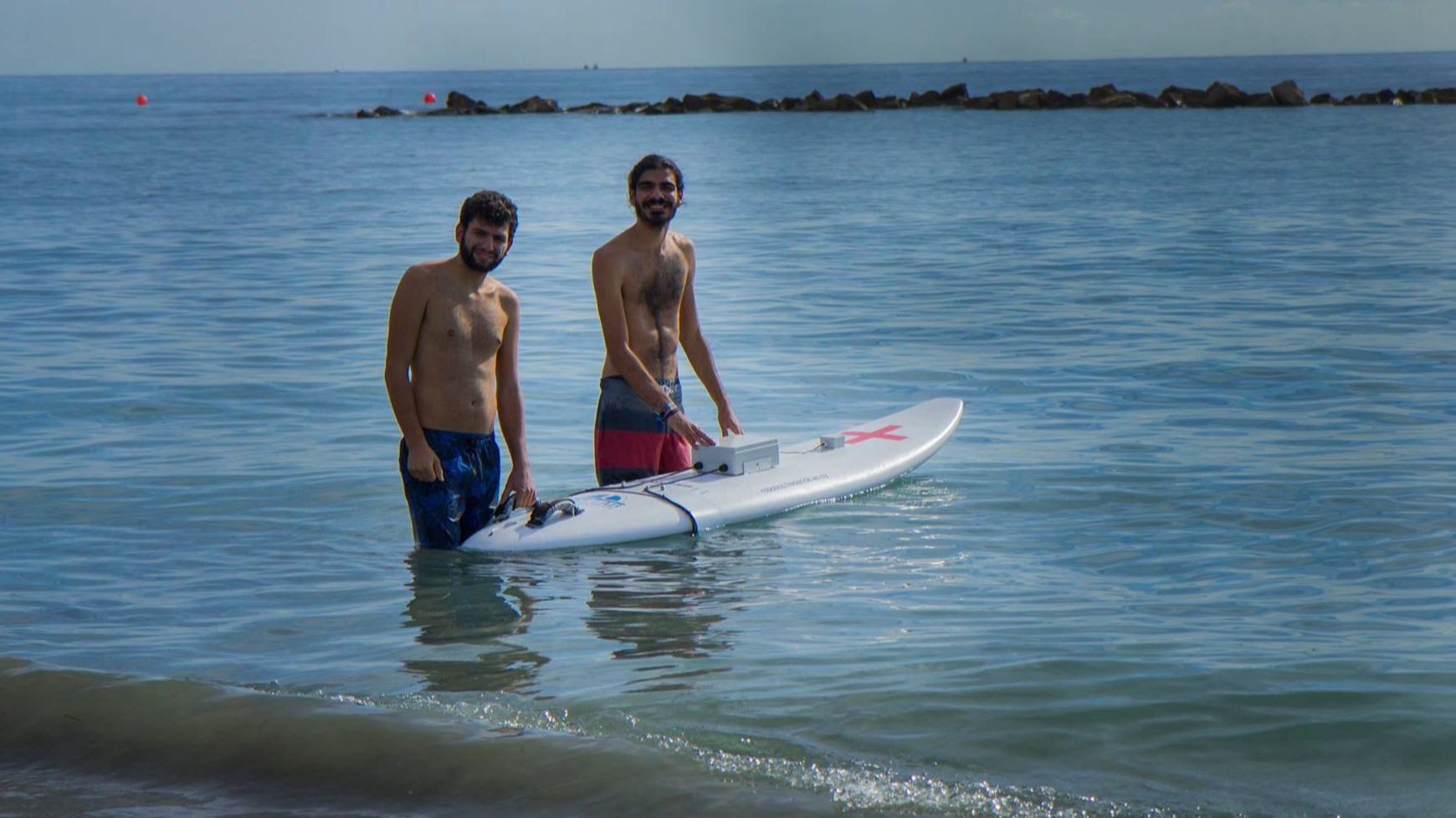
RAS is developing the USV (SeaBot) that is responsible for detecting polluted area in Lemesos Bay.
Duration: 2023-2025
Funding Agency: Cyprus Research Promotion Foundation (DUAL USE/0922)
More info: IRSAI.org
Mobirise Website Builder

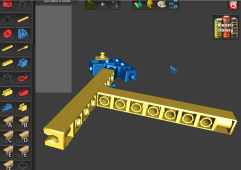
KIDCAM: Development of a 3d Design Software for Children for ENGINO

The goal of this project was to develop a three‐dimensional CAD application for Engino Toy Systems. The target users of this application are students at the K12 level of education. This application that will allow students to present their ideas and to create virtual three‐dimensional structures using virtual Engino Toy Systems construction parts. The application has libraries of virtual components and users are able to build complex structures using these virtual components. Libraries have the Engino construction parts and other existing parts that are currently used in the Design and Technology courses at the K12 level of education.
Duration: 2012-2014 
Funding Agency: Cyprus Research Promotion Foundation (ΕΠΙΧΕΙΡΗΣΕΙΣ/ΠΡΟΪΟΝ/0311)
More info: engino.com
Mobirise Website Builder

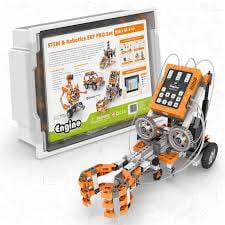
ERP: Robotic Models for Teaching “Control Systems” in Design and Technology

RAS Lab in collaboration with Engino Toy Systems has developed a new robotic system as an extension to the Engino construction toy. The system consists of 2 parts: the Engino Robotics Platform (ERP) box with its peripherals and the Engino Graphical Programming Interface EGPI). The main objective of the ERP system is to provide effective tool not only for teaching robotics, control systems and technology course but also to be integrated as an instructional tool within the teaching and learning process, aiming to achieve instructional goals. The ERP system is suitable to be used by preprimary to higher education students.
Duration: 2009-2012
Funding Agency: Cyprus Research Promotion Foundation (ΕΠΙΧΕΙΡΗΣΕΙΣ/ΕΦΑΡΜ/0308/60)
More info: engino.com

Contact

Address

Robotics and Automated Systems Lab
Frederick University
Mariou Agathaggelou 18
3080 Lemesos, Cyprus

Robotics and Automated Systems Lab, Frederick University, Lemesos, Cyprus

Best AI Website Creator